The Quiet Battery Revolution
- Technology
- April 22, 2026
- 327
Beyond Lithium: Why the Status Quo Is Cracking
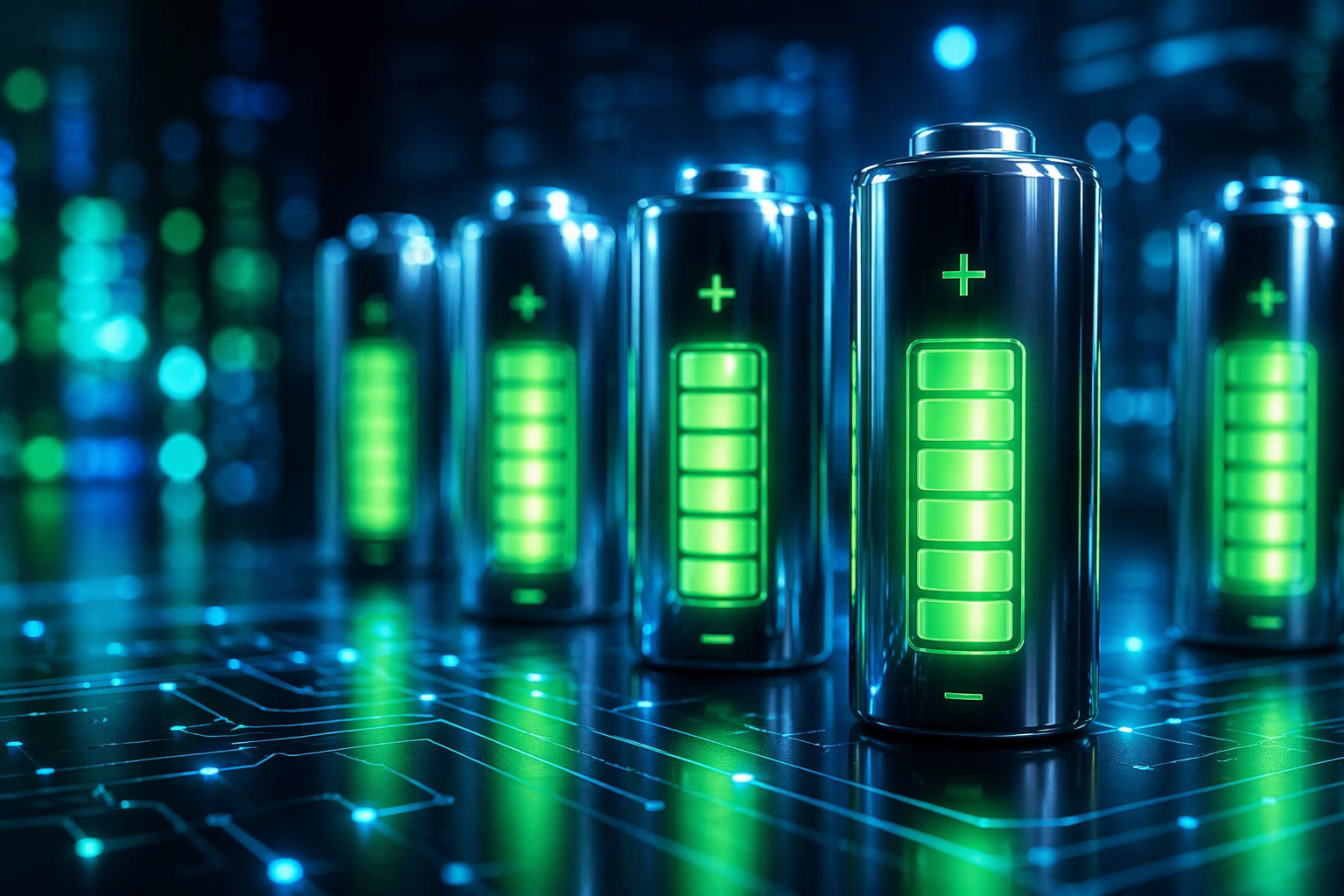
For decades, lithium-ion batteries have powered everything from smartphones to electric cars. But cracks are starting to show. Rising demand, supply chain concerns, and safety issues—like overheating and fire risks—are pushing researchers and companies to look for alternatives.
What’s emerging is not one breakthrough, but a wave of competing technologies. And unlike the hype cycles of the past, these are starting to move out of the lab and into real-world testing.
Solid-State Batteries Are Getting Real
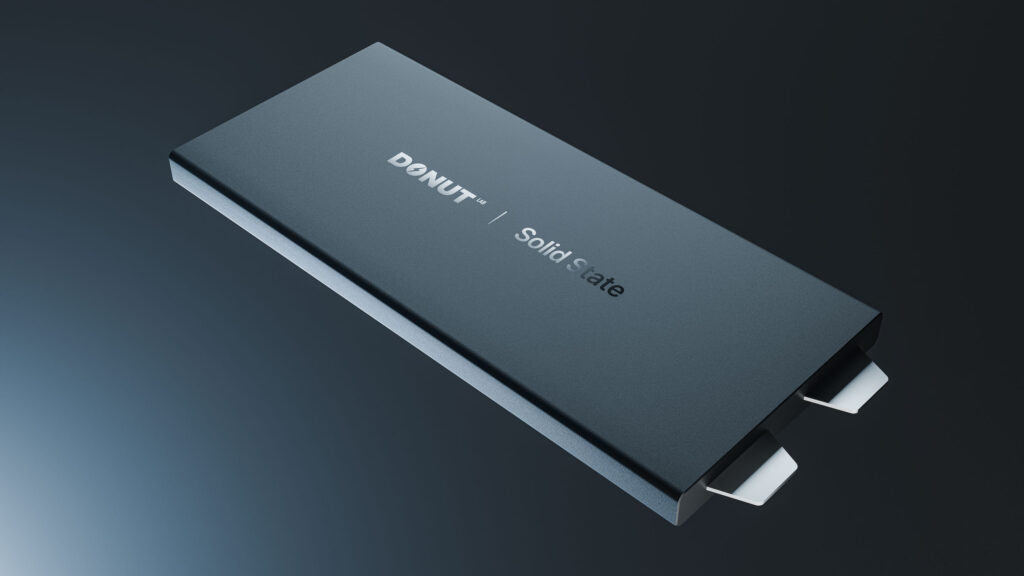
If there’s a “next big thing” in batteries, solid-state technology is the leading contender. Instead of using flammable liquid electrolytes like traditional batteries, solid-state designs use solid materials, making them safer and potentially more energy-dense.
That promise is finally translating into progress. Automakers and researchers have recently achieved key milestones in performance, including higher energy density and longer lifespans.
Nissan, for example, says it is on track to launch its first electric vehicle powered by solid-state batteries by 2028, after meeting critical performance targets in prototypes.
Other companies are reporting fast-charging capabilities and improved durability, suggesting that solid-state batteries may soon move from experimental to commercial reality.
Sodium Batteries Could Change the Economics
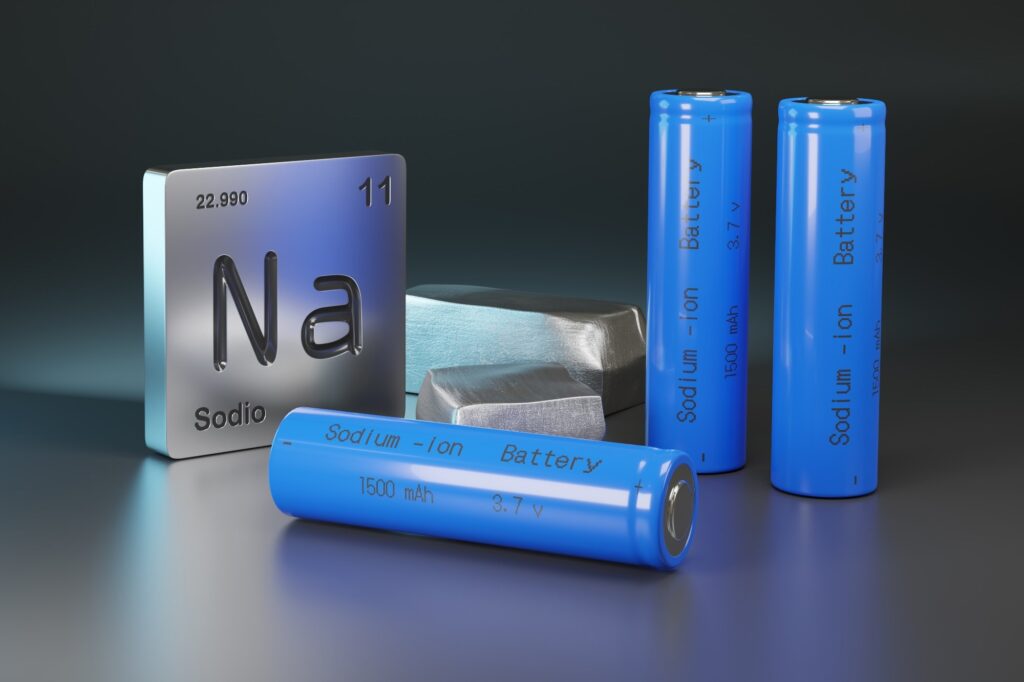
While solid-state batteries aim to improve performance, sodium-ion batteries are targeting something else entirely: cost.
Sodium is one of the most abundant elements on Earth, making it far cheaper and easier to source than lithium.
That’s a big deal as global demand for energy storage is expected to surge—especially for renewable energy and data centers.
Recent advances have pushed sodium-ion batteries closer to practical use. Major manufacturers like CATL are already unveiling new sodium-based systems for large-scale energy storage.
And while sodium batteries still lag behind lithium in energy density, they are becoming competitive in applications where size and weight matter less—like grid storage or backup systems.
Researchers are also solving key technical problems, including charging speed and stability, bringing sodium batteries closer to mainstream adoption.
The Rise of Hybrid Approaches
Some of the most interesting breakthroughs are happening at the intersection of these technologies.
Scientists are now experimenting with solid-state sodium batteries—combining the safety benefits of solid electrolytes with the low cost of sodium. Early research suggests these hybrid systems could be cheaper, safer, and longer-lasting than current batteries.
This kind of cross-pollination is accelerating progress across the entire field, as researchers mix and match materials and designs to overcome long-standing limitations.
Why This Matters Beyond Your Phone

It’s easy to think of batteries as a smartphone problem. But the real impact is much bigger.
Energy storage is becoming one of the most critical technologies of the next decade. As renewable energy scales up, the world needs better ways to store power when the sun isn’t shining or the wind isn’t blowing. Analysts expect the energy storage market to grow dramatically in the coming years, driven by this demand.
Better batteries could also reshape transportation, enable more resilient power grids, and even change how data centers operate.
A Revolution You Might Not Notice—Until It’s Everywhere
Unlike flashy AI tools or new gadgets, battery innovation happens quietly. There are no viral demos or overnight launches—just steady improvements in materials, chemistry, and manufacturing.
But those incremental gains are adding up. With solid-state, sodium-ion, and hybrid technologies all advancing at once, the battery landscape is starting to shift in a way that could redefine entire industries.
The next breakthrough might not look like a new device. It might be the invisible technology that powers everything else.