Your Phone Is Now Part of Watching TV
- Entertainment
- March 20, 2026
- 211
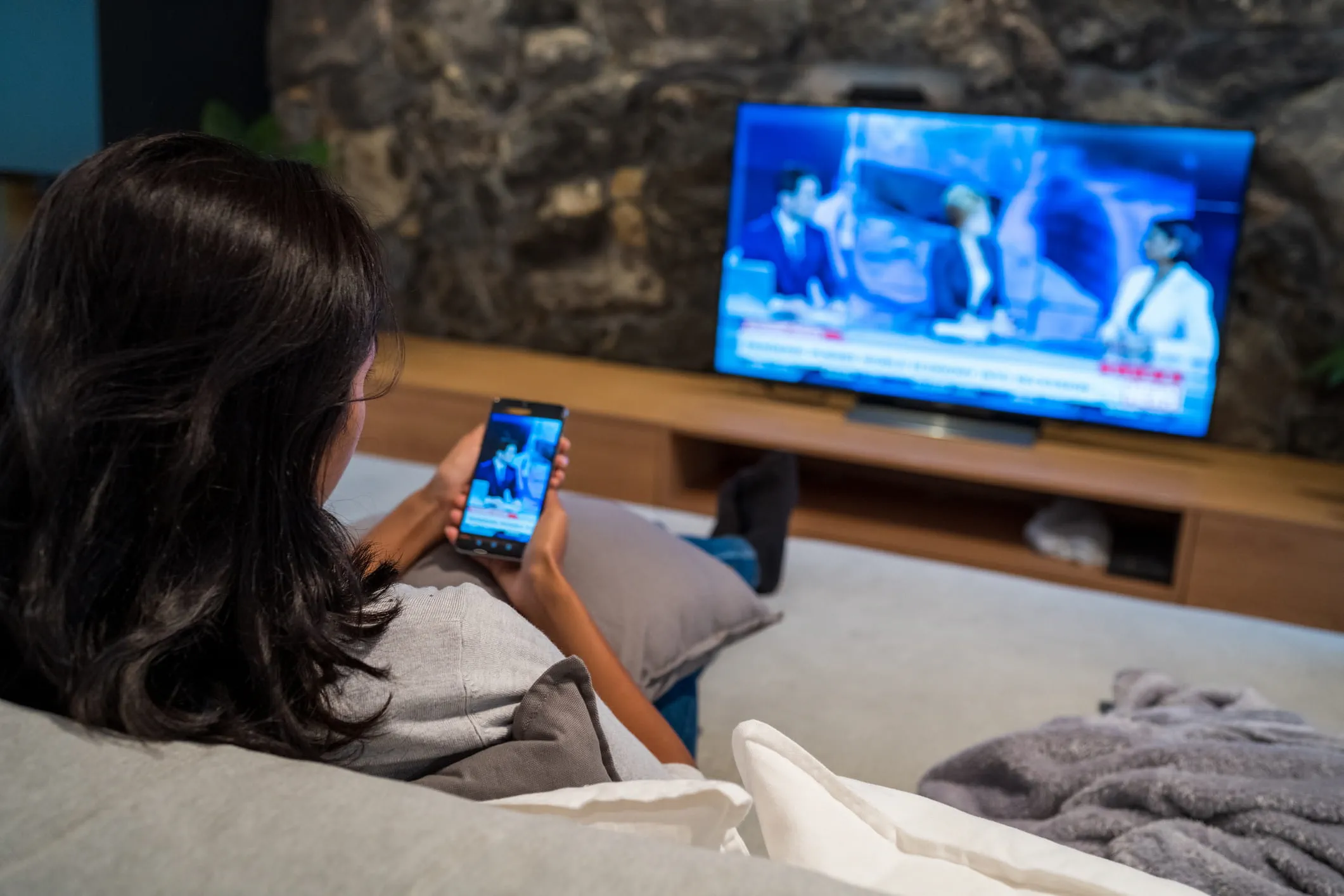
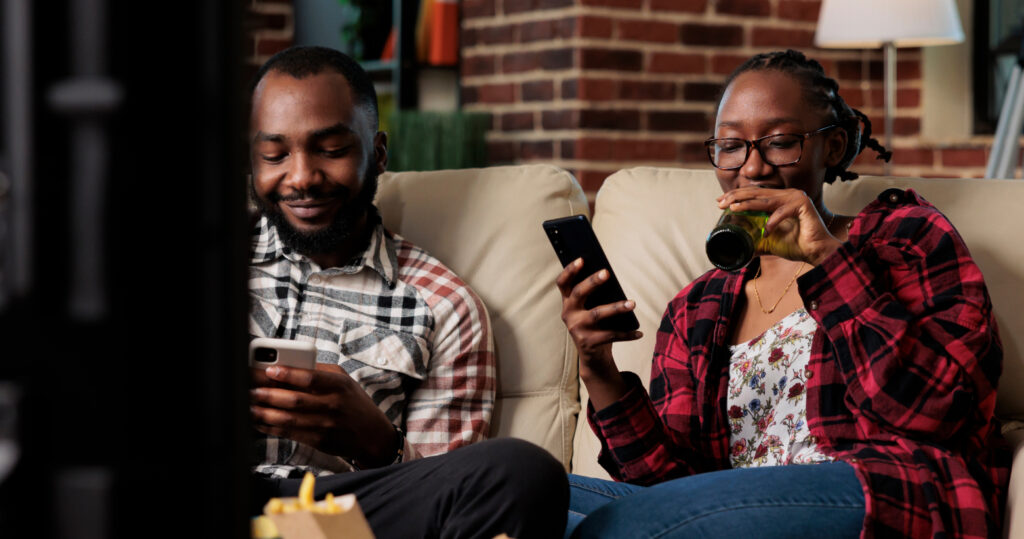
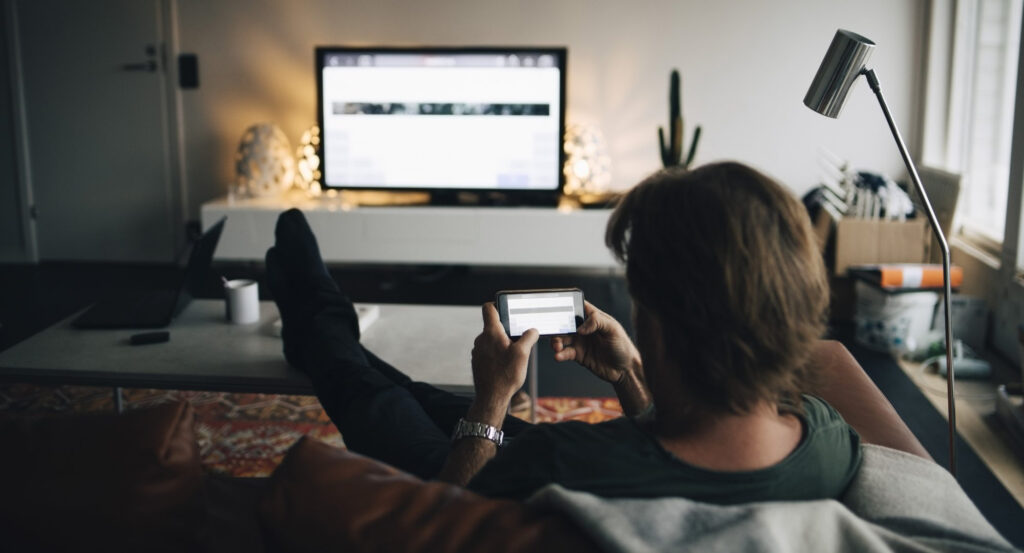
Remember when watching television meant actually watching television? Those days are long gone. Today, 86 percent of internet users reach for another device while watching TV. Your phone has transformed from a distraction into an essential part of the viewing experience, and streaming platforms are finally embracing it instead of fighting it.
This shift represents a fundamental change in how we consume entertainment. The second screen is no longer just for checking social media during commercials. It has become an interactive companion that enhances, extends, and sometimes even controls what happens on your main screen.
The Rise of Interactive Voting
Reality competition shows pioneered the integration of phone apps into television viewing. American Idol has allowed viewers to vote through companion apps since the show moved to ABC in 2018, and the platform continues to evolve. For the 2026 season, the show introduced social media voting for the first time, allowing fans to vote by commenting on official posts on Facebook, Instagram, and TikTok. Viewers can cast up to 50 votes per episode across multiple methods including the app, website, text messaging, and social platforms.
The impact is measurable. Season 23 of American Idol received 26 million votes in its finale, more than double the previous season. This level of engagement transforms passive viewers into active participants who feel invested in the outcome.
Sports Fans Lead the Way
Sports viewing has become inseparable from second screens. About 76 percent of second screen users engage with social media during TV viewing, and 32 percent of sports viewers specifically use social media during live events. The behavior goes beyond social scrolling. In 2019, 68 percent of smartphone users looked up information about athletes, teams, or game statistics while watching sports on television.
Apps like Apple Sports, Yahoo Sports, and theScore have built entire businesses around this behavior. These platforms provide real-time stats, play-by-play updates, and live commentary that runs parallel to the broadcast. Fans check injury reports, compare player statistics, and follow multiple games simultaneously, all while the main game plays on their TV screen.
The integration has become so seamless that some viewers prefer the second screen experience to the broadcast itself. Live Activities on iPhone lock screens deliver score updates and play notifications without requiring users to unlock their phones or open an app.
Shopping From Your Couch
The second screen has also changed how advertising works. Around 65 percent of viewers use second screens to explore products seen in TV ads, and 20 percent make purchases during commercial breaks. This behavior has prompted advertisers to design campaigns specifically for dual-screen viewing.
QR codes have become standard in television advertising. The most famous example remains Coinbase’s Super Bowl ad in 2022, which featured a bouncing QR code that drove millions of scans and briefly crashed the company’s website. Marketers learned a valuable lesson: assume viewers already have a phone in hand.
Platforms like Samsung Ads now offer interactive TV formats that connect television impressions directly to mobile actions. Viewers can scan products, visit websites, or add items to shopping carts without leaving the couch. Nearly two-thirds of US social network users are expected to watch TV or streaming while scrolling on second screens in 2026, creating a purchase journey that collapses from days into seconds.
The Platform Response
Streaming services initially viewed second screen usage as a sign of failing content. If viewers were reaching for their phones, the logic went, the show wasn’t engaging enough. That thinking has reversed completely.
Netflix and Disney now experiment with AI-generated recaps and dynamically shortened episode cuts designed for viewers with limited attention spans. These features acknowledge that people multitask and try to accommodate rather than combat the behavior.
Companion apps for major shows offer behind-the-scenes content, character information, and interactive features that supplement the main viewing experience. Some platforms have added polls, trivia, and live discussions that synchronize with specific moments in shows or live events.
What Comes Next
The second screen phenomenon raises questions about the future of entertainment. If viewers are splitting attention between devices, how should content creators respond? Should shows be designed for distracted viewing, or should they fight harder for undivided attention?
The data suggests platforms are choosing adaptation over resistance. By 2026, nearly 121 million US adults are expected to be digital live sports viewers, and most will have a second device within reach. The behavior is particularly strong among younger audiences, though two-thirds of viewers over 55 also engage in dual-screen viewing.
For broadcasters and streaming services, the challenge is turning fragmented attention into deeper engagement. The most successful approaches treat the second screen as an extension of the viewing experience rather than competition for attention. When done well, companion apps and interactive features can deepen the connection between viewers and content.
The second screen revolution is complete. Your phone is no longer a distraction from television. It is part of television.