iPhone Air: Environmental Cost vs. Durability Trade-Offs
- Iphone
- September 12, 2025
- 781
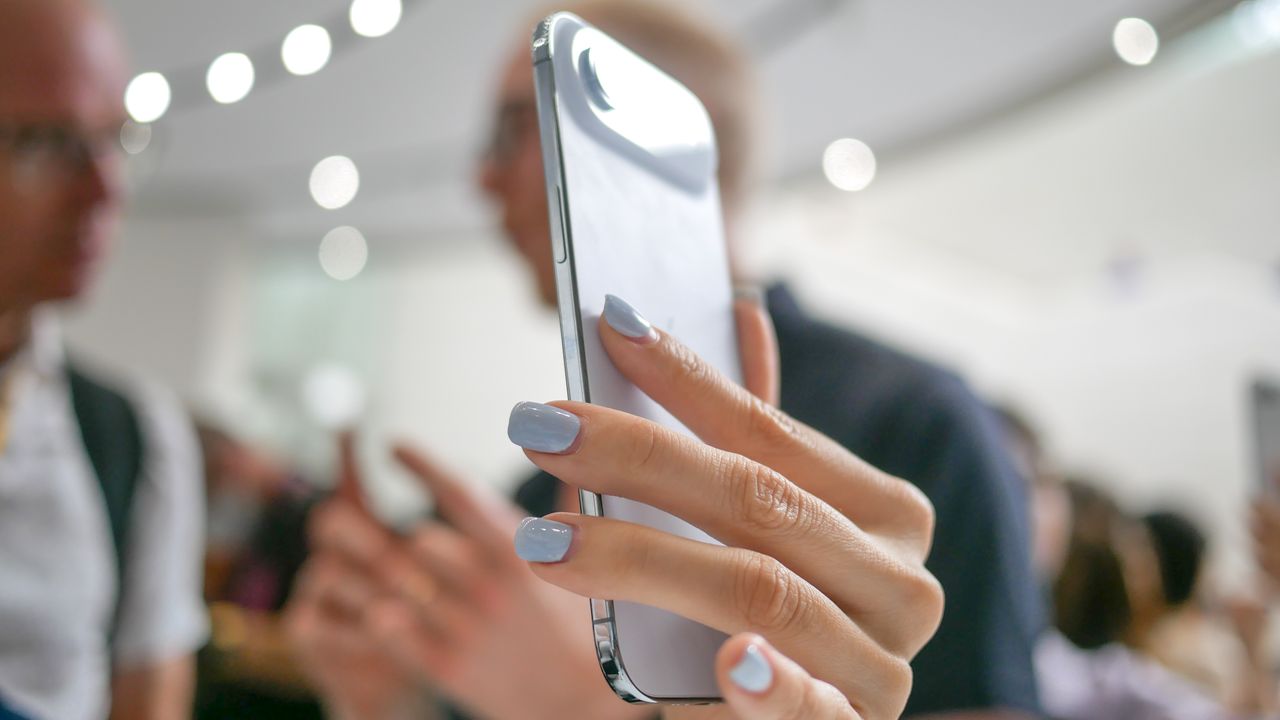
Apple’s iPhone Air is being positioned as a sleek evolution of the iconic device. Thinner, lighter, and engineered to feel almost weightless, it represents the company’s push to blend cutting-edge design with everyday usability. But behind the elegance lies a deeper question: what are the hidden environmental and durability trade-offs of making a phone this slim?
Design Priorities vs. Longevity
The iPhone Air’s design emphasizes minimalism, but thinner devices often mean compromises in durability. A reduced chassis thickness can make the phone more prone to bending, cracking, or damage from drops. For users, this raises concerns about whether design priorities are outweighing the long-term resilience that keeps devices in use longer.
In practice, this tension creates a cycle: lighter phones look and feel better but may need replacement or repair sooner, undermining sustainability goals.
Repairability Challenges
Making a thinner phone often involves tighter integration of components. Adhesives replace screws, batteries are sealed in more tightly, and custom parts become harder to swap out. This can limit repairability, raising the environmental cost when a cracked screen or degraded battery means replacing an entire device instead of a single component.
For consumers, limited repair options translate into higher costs and shorter product lifespans. For the environment, it means increased e-waste and resource use.
Materials and Sustainability
Apple has been vocal about its commitments to recycled materials, and the iPhone Air will likely continue that trend. However, lighter builds often require the use of composites or alloys that are harder to recycle. Advanced materials may reduce weight but complicate recovery and reuse at the end of the product’s life.
This paradox underscores the difficulty of balancing eco-friendly design with cutting-edge aesthetics.
Energy Efficiency Gains
On the positive side, thinner and lighter phones generally require less material to manufacture, and advances in chip efficiency help reduce energy consumption over time. The iPhone Air may also benefit from more efficient power management, extending battery life and lowering the energy footprint per user. Yet these benefits can be offset if durability concerns shorten the device’s usable lifespan.
Striking the Balance
The iPhone Air highlights a broader industry dilemma: should smartphones prioritize sleekness over substance? While lighter designs appeal to consumers, they risk introducing hidden environmental costs through repair challenges, recycling difficulties, and reduced durability.
As technology moves forward, the question isn’t just whether we can make devices thinner, but whether doing so genuinely supports sustainability—or simply shifts the cost from our pockets to the planet.