Ultrasound Patches: Stickers That Can Replace Clinic Visits
- Health
- January 9, 2026
- 310
Picture this: you stick a small patch on your chest, about the size of a postage stamp, and go about your day. Meanwhile, that tiny device is quietly watching your heart beat, checking your blood pressure, even monitoring your kidneys—all without cold gel, bulky equipment, or a trip to the hospital.
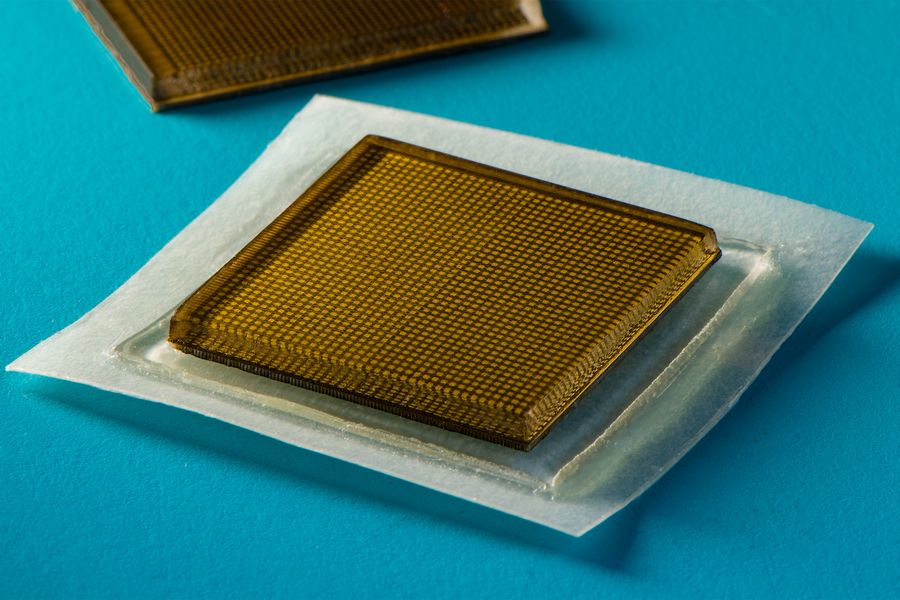
It sounds like science fiction, but ultrasound patches are already moving from research labs into clinical trials, and they’re poised to change how we think about medical imaging. After decades of ultrasound being confined to hospital rooms and requiring trained technicians, researchers have finally figured out how to miniaturize the technology into wearable devices that stick to your skin.
From Research Lab to Real World
The breakthrough came from MIT engineers who published their initial work in 2022. Their stamp-sized ultrasound sticker can continuously image internal organs for up to 48 hours. In tests with volunteers, the patches successfully captured clear images of blood vessels, hearts, lungs, and stomachs—even while people were jogging or biking.
What makes these patches work is clever engineering. They combine ultrasound probes with a flexible hydrogel layer that replaces the gel typically used in traditional ultrasound. A stretchy membrane protects everything from drying out, while a bioadhesive keeps the patch firmly attached to skin.
Beyond Basic Monitoring
Since that initial breakthrough, the technology has evolved in multiple directions. Researchers at UC San Diego recently validated an ultrasound patch for continuous blood pressure monitoring, testing it on 117 participants including intensive care patients. The patch tracks changes in blood vessel diameter and converts them into real-time readings that match the accuracy of traditional blood pressure cuffs.
Other teams have developed specialized patches for monitoring bladder fullness in people with kidney disorders, measuring organ stiffness to detect early signs of liver failure, and even tracking pregnancies. One wearable ultrasound patch has been tested on 62 pregnancies, continuously acquiring anatomical structures with image quality comparable to traditional handheld devices—eliminating the need for a trained sonographer to be present.
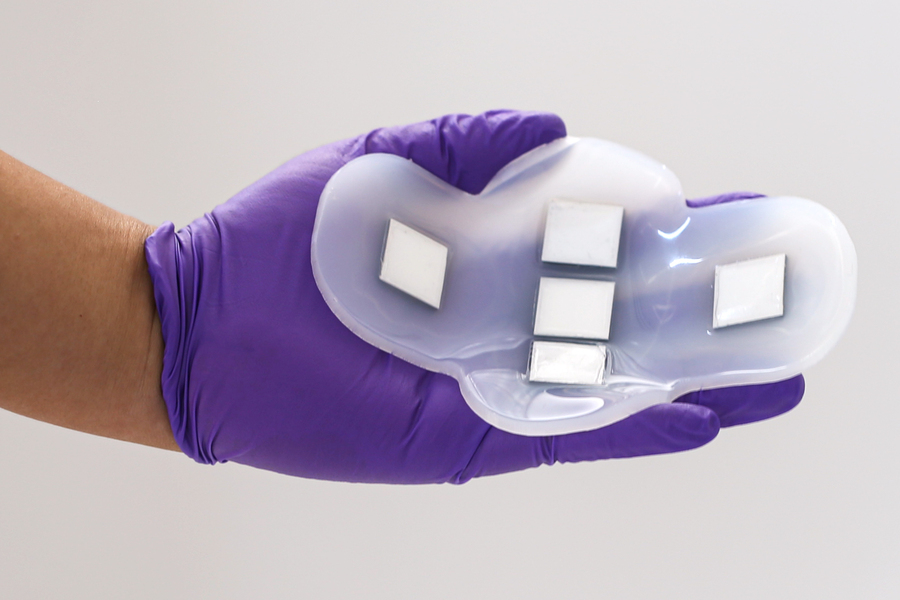
MIT researchers have also designed a version specifically for breast cancer screening that can be incorporated into a bra. In tests with a woman who had a history of breast cysts, the device successfully detected cysts as small as 0.3 centimeters—the size of early-stage tumors—at depths up to 8 centimeters.

What This Means for Healthcare
The implications extend beyond convenience. Traditional ultrasound imaging provides only snapshots in time. Continuous monitoring could catch problems much earlier, whether that’s heart failure complications, stroke risk, or pregnancy issues.
The patches could also democratize access to medical imaging. Right now, getting an ultrasound requires scheduling an appointment, traveling to a medical facility, and having a trained technician perform the scan. If patches become as accessible as home blood pressure monitors, people in rural areas or developing countries could gain access to diagnostic imaging that’s currently out of reach.
The Road Ahead
Of course, making this vision reality requires solving several problems. The patches need regulatory approval from agencies like the FDA. Most current prototypes require wired connections to external imaging systems, though researchers are working on wireless versions. And healthcare systems need to figure out how to handle the flood of continuous data these devices would generate.
In the near term, we’ll likely see these patches first used in hospital settings for high-risk patients. Heart failure monitoring and pregnancy complications seem like natural early applications. Eventually, the patches could become consumer devices for athletes monitoring recovery or people with chronic conditions tracking their organs at home.